Buying clothes online often involves a familiar puzzle: you know your usual size, but you do not know whether it will fit this particular jacket, pair of jeans, or dress. Online clothing stores with size finder tools try to close that gap. Instead of asking shoppers to rely on an S, M, or L label, these tools use personal details and product information to estimate which option is most likely to work.
What a Clothing Size Finder Actually Does
A clothing size finder sits between a traditional size chart and an in-store fitting room. A basic version matches your body measurements to a retailer’s chart. More advanced fashion sizing tools may consider height, weight, body shape, preferred fit, previous orders, or feedback from shoppers with similar profiles.
For example, a fit predictor might suggest a medium for a structured blazer but a small for a relaxed sweatshirt at the same store. That is not necessarily inconsistent: the garments have different cuts and intended silhouettes. The recommendation usually applies to the specific item, not your wardrobe forever.
How Online Size Recommendations Are Calculated
Measurements and Body-Shape Estimates
Some systems ask for chest, waist, and hip measurements. Others start with height and weight, then estimate proportions using additional questions or statistical models. A few offer camera-assisted measurements on supported phones. These approaches differ in precision, so entering more information does not automatically guarantee the right answer.
Product Dimensions and Intended Fit
Retailers may compare a shopper’s profile with measurements or fit information for the garment. A slim-cut shirt and an oversized shirt can have different amounts of room even when both carry the same size label. Fabric stretch, rise, shoulder construction, and length also influence comfort. A tool that accounts for garment-specific differences is usually more useful than a generic international size conversion chart.
Purchase History and Shopper Feedback
Some recommendation services learn from purchases and returns, or use aggregate feedback about whether an item runs small, large, or true to expectation. However, a return is not always evidence of poor sizing; shoppers also return items because of color, price, or style. Good predictions depend on the quality and relevance of the underlying information.
Real Examples From Online Clothing Stores
ASOS: Fit Assistant
ASOS describes its Fit Assistant as a personalized online size recommendation tool. According to its customer guidance, logged-in shoppers can use height, weight, fit preferences, and order history. Look for the Fit Assistant option near the size selector. Availability varies by product, so a recommendation may appear on one item but not another.
UNIQLO: MySize ASSIST
UNIQLO’s MySize ASSIST provides suggestions from information such as measurements and fit preferences. In supported markets, MySize CAMERA also offers smartphone-based measurement assistance. Product coverage and features can differ by country and device. UNIQLO itself advises shoppers to treat the result as guidance and check the product’s sizing information.
Nike: Detailed Size and Fit Guidance
Nike offers product-linked size guides, measurement instructions, and fit advice for footwear and apparel. These are useful, but a size chart is not the same thing as an automated personalized fit predictor. This distinction matters when comparing stores: some provide an algorithmic suggestion, while others provide measurements so you can decide for yourself.
Why Two Stores May Recommend Different Sizes
Clothing sizes are not standardized across every brand or category. One retailer’s medium may have different chest, hip, sleeve, or inseam dimensions from another’s. Even within a brand, a tailored garment can feel very different from a loose-fitting style. An online size recommendation is an estimate within a particular product’s sizing system, not a universal measurement of your body.
A Practical Test Before Ordering Jeans
Imagine your waist measurement points toward one jeans size, but your hip measurement suggests the next size up. A clothing size finder recommends the larger option. Before buying, check the retailer’s garment measurements, especially the hip, rise, and inseam, and compare them with a pair of jeans you already own that fits well.
Then inspect the fabric composition. Stretch denim may accommodate movement differently from rigid denim, although stretch does not fix an unsuitable rise or inseam. If reviews repeatedly mention a tight waistband, weigh that evidence alongside the tool’s suggestion. This quick comparison is often more informative than clicking the recommended size without checking anything else.
Where Fit Predictors Can Get It Wrong
Algorithms cannot feel fabric against your skin, judge whether a seam irritates you, or know exactly how you want an item to drape. They may struggle with unusual proportions, maternity clothing, compression garments, heavily structured pieces, and styles with limited customer data. Incorrectly entered measurements can also produce confident-looking but unsuitable results.
Be particularly cautious when switching between body measurements and garment measurements. A garment’s chest circumference typically needs ease beyond your body measurement, with the appropriate amount depending on its design. Matching those two numbers exactly may leave too little room. For a broader reference, learn how to measure your body for online shopping before using a recommendation tool.
How to Use Size Finder Tools More Effectively
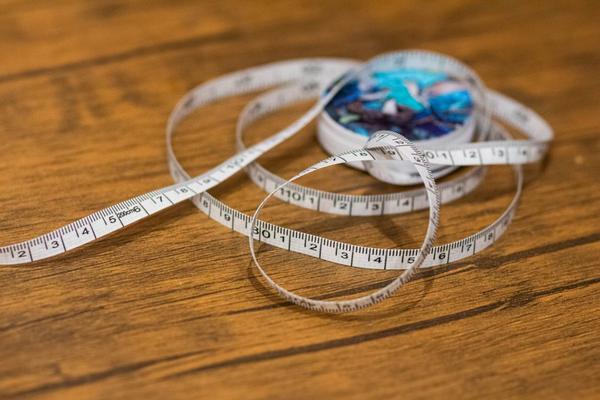
Start by measuring yourself with a flexible tape and updating old figures rather than guessing from a size you wore years ago. Choose the fit preference that matches the actual item. Check the recommended size against the retailer’s chart, customer comments, and model-fit notes. If your measurements fall between sizes, prioritize the body area that is hardest to alter or accommodate. Comparing clothing size charts across brands is also useful.
What Happens to Your Sizing Data?
Personalized recommendations may require details about your body, purchase history, or photographs. Before using a camera tool, review its privacy notice, permissions, and deletion options. Data handling differs among retailers and technology providers; do not assume every store keeps or deletes information in the same way. If you prefer not to share personal details, a measurement chart remains a useful alternative.
Final Thoughts
The best online clothing stores with size finder tools make sizing easier to understand, not magically certain. Treat their output as a helpful second opinion. Combining the suggested size with actual garment details, your fit preferences, and experience with similar clothes gives you a stronger basis for choosing before checkout.
Frequently Asked Questions
Are online clothing size finders accurate?
They can offer useful estimates, especially when product data and your measurements are reliable. Accuracy varies by retailer, garment, and the information available. A recommendation is not a guarantee of fit.
Do I need to enter my exact body measurements?
Not always. Some tools ask only for height, weight, and fit preference; others accept more detailed measurements or use a phone camera. Follow the specific tool’s instructions and check its privacy practices.
Can a size finder replace the size chart?
It is better used alongside the chart. The predictor suggests an option, while the chart and garment details let you check important dimensions such as waist, hip, chest, and length.
Why did the same store recommend different sizes?
Different products have different cuts, fabrics, and intended fits. If the recommendation changes between styles, compare each item’s measurements rather than assuming one must be wrong.