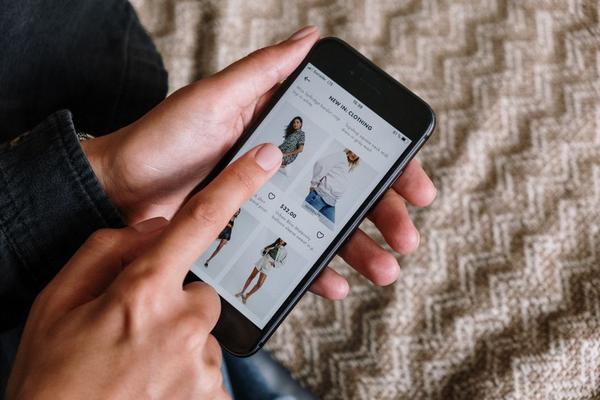
A shopping app can make an outfit look irresistible in thirty seconds. The harder part is finding your size, comparing prices, understanding delivery, and deciding whether the item is worth buying. The best fashion shopping apps help you move from inspiration to a confident purchase without juggling browser tabs.
For U.S. shoppers, the right choice depends on what you buy. Some apps excel at browsing multiple brands, others make store pickup convenient, and resale platforms uncover pieces missing from ordinary catalogs. Here is how the leading options compare from a mobile shopper’s perspective.
Best fashion shopping apps at a glance
ASOS is a strong starting point for multi-brand shopping; Nordstrom suits shoppers who value reviews and order management; Zara and H&M emphasize new-season fashion; UNIQLO works well for wardrobe basics; Target is useful when pickup matters; thredUP focuses on secondhand apparel; and Poshmark lets buyers negotiate on resale listings.
These are different experiences, not interchangeable storefronts. Consider how each app handles discovery, saved items, sizing, delivery, and problems after purchase.
Eight clothing apps worth comparing
ASOS: Best for browsing across brands
ASOS makes sense when you have a style in mind but have not settled on a label. Its broad assortment and filters help narrow searches by category, size, price, or color. Saved Items lets you revisit pieces and see when availability or price changes. That makes it practical for building a shortlist instead of buying the first appealing result.
The trade-off is choice overload. Start with a specific item and budget. Check each product’s sizing information and return eligibility before ordering.
Nordstrom: Best for considered purchases
Nordstrom’s app is useful for shoppers buying shoes, workwear, or expensive clothing that deserves research. Reviews, wish lists, order tracking, and alerts about favorites coming back in stock or going on sale support deliberate buying. Store availability and pickup options connect browsing at home with an in-person visit.
Its selection spans different price points, so compare materials instead of assuming every item is a premium purchase.
Zara: Best for browsing complete looks
Zara presents seasonal collections, accessories, and coordinated outfits in a visually focused app. Favorites collect potential purchases, while order tracking and the Zara QR feature connect online orders with in-store shopping and returns. It suits shoppers who want styling inspiration alongside individual pieces.
The caution is fit. An outfit photo tells you little about how a particular cut will sit on your body. Read measurements carefully when trying an unfamiliar silhouette.
H&M: Best for trend discovery and wish lists
The H&M app offers image-based discovery, saved favorites, restock alerts, order updates, and membership benefits. These features help you find an alternative to an outfit you spotted elsewhere and track it until you are ready to buy.
Do not let a restock notification decide for you. Check fabric composition, care instructions, and the checkout total; a low initial price is not good value if the garment wears out quickly.
UNIQLO: Best for everyday essentials
UNIQLO stands out among apparel shopping apps for tools connecting product research with local stores. Its app supports size guidance, reviews, favorites, stock checks, and pickup for eligible items. This is helpful for basics such as trousers, T-shirts, and knitwear, where fit and fabric matter more than a dramatic photo.
Local inventory indicators are estimates, not guarantees. Confirm pickup availability and wait for a ready notification before traveling.
Target: Best for convenient local pickup
Target is less fashion-specialized than these retailers, but its app earns a place for convenience. Check local availability, read reviews, and choose eligible clothing for Order Pickup or Drive Up. For children’s basics, socks, or an inexpensive top needed quickly, that may be more valuable than extensive styling content.
Selection differs by store. Check the exact size and color, and confirm your order is ready before heading out.
thredUP: Best for secondhand browsing
thredUP focuses on pre-owned women’s and children’s clothes, shoes, and accessories across many brands. Personalized recommendations and order updates suit shoppers browsing secondhand fashion without starting from an individual seller’s page.
Because used items may have limited availability, save promising finds but examine condition descriptions and measurements. Compare the total price against a similar new garment rather than relying on an advertised discount from estimated retail.
Poshmark: Best for resale finds and offers
Poshmark is a marketplace where buyers purchase from individual sellers, often using Make an Offer to negotiate. It works for a discontinued color, hard-to-find jacket, or favorite brand at a resale price. Listing photographs and seller descriptions matter enormously.
Standard Posh Protect coverage addresses undisclosed damage or items not matching descriptions; ordinary fit problems and changes of mind are generally excluded. Inspect listings before paying and review optional return protection separately.
How to pick the right app without wasting time
Start with the shopping task, not popularity. For trend exploration, compare ASOS, Zara, and H&M. For staples, try UNIQLO. For store pickup, check Target or Nordstrom. For used clothing, compare thredUP’s catalog-style experience with Poshmark’s individual sellers.
Imagine needing black trousers for a Friday interview. Search your measurements and preferred cut in two clothing apps, save two candidates in each, and compare fabric, inseam, delivery dates, and return terms. A cheaper pair arriving after Friday is not the better deal. Our guides to measuring yourself for online clothes shopping and understanding clothing return policies can help with that check.
Turn on alerts selectively. Sales and restock notifications help with planned purchases, but constant promotions encourage impulse browsing. Keep a short wish list and shop around genuine wardrobe gaps. A capsule wardrobe checklist can help identify those gaps before you spend.
Frequently asked questions
What is the best app for buying clothes from different brands?
ASOS is a useful choice for browsing numerous brands in one place. Nordstrom is another option if detailed reviews, wish lists, and store services matter more than sheer assortment.
Which fashion apps are best for inexpensive clothes?
H&M and Target are worth comparing for lower-priced new clothing, while thredUP and Poshmark offer secondhand alternatives. Compare final prices including shipping, condition, and return restrictions.
Can I track orders and save favorites in these apps?
Many offer both functions, including Zara, Nordstrom, and H&M. Exact alerts vary by app, account settings, and item, so check the current version before depending on a notification.
Are resale clothing apps safe to use?
Established platforms offer buyer policies, but protection has limits. Read listings, keep payment on the platform, document problems promptly, and check deadlines for reporting incorrectly described items.
Final thoughts
The best fashion shopping apps reduce uncertainty about your next purchase. Use multi-brand apps for discovery, retailer apps for pickup and order management, and resale marketplaces for secondhand finds. Thoughtful comparisons serve you better than installing every clothing app and scrolling endlessly.