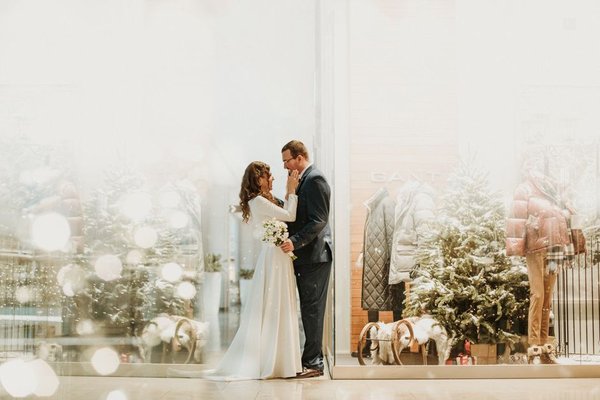
Winter weddings have a particular kind of romance: candlelit rooms, crisp air and the possibility of snow-dusted photographs. But a beautiful gown needs to do more than look wonderful in a warm bridal boutique. The best winter wedding dresses work with the weather, the venue and the way you plan to spend your day.
Warmth does not mean sacrificing style or wearing the heaviest gown you can find. Fabric weight, sleeve construction and removable layers all matter. So does the difference between a heated indoor ceremony and an outdoor portrait session in freezing air.
Plan for the Wedding Day, Not Just the Ceremony
Start with a simple schedule. Where will you get ready, exchange vows, take photographs and celebrate? Will you walk between buildings or spend long periods outdoors? A dress that feels perfect inside a hotel can be uncomfortable in a draughty chapel, while a heavily lined gown may feel too warm on the dance floor.
Imagine a bride marrying in an old stone church before taking garden photographs and moving to a heated restaurant. A satin A-line gown with lined sleeves and a tailored ivory coat gives her options. She can wear the coat outside, remove it for the ceremony or dinner, and avoid spending the entire day either cold or overheated.
The Best Fabrics for Winter Wedding Dresses
Mikado and heavier satin
Mikado has a crisp, substantial finish that holds architectural shapes, structured bodices and full skirts beautifully. Heavier satin creates a polished, elegant look and often has more body than lightweight chiffon. Neither fabric is automatically insulating, however. The dress’s lining, thickness and construction have a major influence on comfort.
Crepe, velvet and woven textures
Substantial crepe suits brides who love clean, modern lines. Velvet adds a plush texture and can work as a complete gown or as a jacket, sleeve or bodice detail. Jacquard and brocade offer rich woven patterns that feel especially appropriate for formal winter settings.
Do not shop by fabric name alone. One satin dress may be light and fluid, while another feels firm and substantial. Touch the samples, ask about lining and try sitting and walking before deciding.
Lace and tulle can still work
Romantic lace and airy tulle are not reserved for summer. The trick is understanding their limitations. Sheer lace sleeves and illusion mesh look covered but offer little protection against cold air. Consider lace over a lined bodice or tulle over a substantial skirt if you want delicate detail without relying on sheer materials for warmth.
Choose Sleeves for Coverage and Movement
A long sleeve winter wedding dress looks timeless, particularly with a high neckline or buttoned back. Yet sleeve length is only part of the story. Opaque satin, lined lace and substantial crepe offer more coverage than transparent sleeves. Make sure you can raise your arms, hug your guests and hold your bouquet comfortably.
Fitted sleeves create a tailored appearance, while softly gathered styles feel more romantic. Detachable sleeves can provide a different look for the reception, but test how securely they attach during fittings. A strapless gown is also a perfectly reasonable cold weather wedding dress when combined with appropriate outerwear.
Match the Silhouette to Your Venue
An A-line silhouette offers an easy balance of movement and elegance. It may also allow discreet underlayers, depending on its fit and fabric. Ball gowns feel dramatic in grand interiors, although large skirts can be awkward in small cars, narrow aisles or crowded reception spaces.
Sheath and fit-and-flare gowns are lovely alternatives for brides who prefer simple lines. Check that any undergarments sit smoothly beneath the fabric. A fitted silhouette does not automatically provide more warmth, so think about your actual outdoor exposure.
If you are still deciding, compare wedding dress silhouettes with your venue layout in mind. The gown should look beautiful in photographs and remain easy to move in throughout the celebration.
Build an Elegant Layering Plan
One carefully selected removable layer often does more for comfort than several decorative additions. A tailored wool coat, lined cape, bridal jacket or generous wrap can protect your shoulders during journeys and outdoor portraits without changing the dress underneath.
Try the outer layer over your gown before the wedding. A coat may compress puff sleeves, a cape may clash with a high collar, and embellishments can catch on rough fabric. Check the complete outfit from every angle and practise taking the layer off without disturbing your hair.
For more ideas, consider bridal accessories for cold-weather ceremonies, including lined gloves or a matching wrap. Thermal shorts or tights may be helpful beneath certain skirts, but visible seams and added bulk can spoil the fit. Ask your seamstress what will work with your specific gown.
Protect Your Feet and Hem
Closed-toe shoes are worth considering for cold venues, and secure soles matter on wet stone or icy paths. You could wear practical boots for outdoor photographs and change into your chosen wedding shoes once indoors. Test both pairs with the dress so the hem sits at a manageable height.
Rain, mud and slush can quickly mark a long train. Arrange for a helper to lift the skirt between photo locations and learn to fasten the bustle before the wedding. Our wedding dress care guide is another useful starting point for planning how to protect delicate fabrics.
Keep outdoor photographs intentional and reasonably brief in severe cold. Discuss the shot list with your photographer beforehand, and have a warm indoor space available between locations. A gown alone is not adequate protection in freezing or wet conditions.
Rehearse the Whole Look at Your Final Fitting
Bring the shoes, undergarments and outerwear you intend to wear. Sit down, climb steps, move your arms and walk with the bustle fastened. Check sleeve tension, coat clearance and whether any extra layer is visible through the skirt.
Remember that indoor heating changes everything. Removable layers let you stay comfortable as the day shifts from chilly photographs to a lively reception. You do not need the same level of warmth at every moment.
Elegance Comes From Being Comfortable
The strongest winter bridal look reflects the bride, the setting and the real weather. A sleek satin gown with a beautiful coat may be just as suitable as a richly textured dress with full sleeves. Choose a silhouette you love, build a practical layering plan and make room to enjoy your celebration.
Frequently Asked Questions
Which fabric is best for a winter wedding dress?
Heavier satin, mikado, substantial crepe and velvet are popular choices. Comfort depends on the full construction, including lining and how much time you will spend outdoors.
Must winter wedding dresses have long sleeves?
No. Sleeves offer coverage, but a sleeveless or strapless gown can work with a coordinated coat or cape. Sheer lace sleeves provide very little insulation.
Can I wear a lightweight dress to a winter wedding?
Yes, especially for an indoor ceremony in a heated venue. Plan suitable outerwear for travel and portraits, and test any underlayers during fittings.
What shoes are practical for a winter bride?
Choose secure, comfortable footwear suited to the ground conditions. Closed toes or a separate pair of boots can help during cold, wet or snowy outdoor photographs.