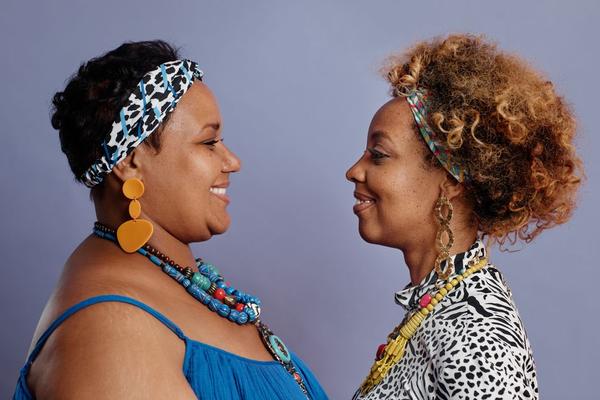
A good headband does more than keep hair away from your face. It can make a loose ponytail look intentional, give a simple bob a fresh shape, or add polish when there is no time for a full blowout. The trick is choosing a band that suits your hair and placing it where it looks comfortable rather than forced. Once you know a few small adjustments, learning how to style a headband becomes surprisingly easy.
Start With the Right Fit and Placement
Before choosing a hairstyle, try the headband on with your hair as it naturally falls. Set it gently behind your hairline, then move it forward or backward by a small amount until the shape feels balanced. A position just behind the front hairline often works well, but there is no universal distance. Your forehead, haircut, and the band’s thickness all change the effect.
For a softer finish, leave a few face-framing pieces loose. For a cleaner look, smooth the front sections back with a brush. If the band slides, add a little texture with dry shampoo or a light styling product at the roots rather than forcing it tightly against your head.
Choose a Headband Shape That Complements Your Hair
Padded Headbands for a Polished Finish
A padded headband makes a statement without needing an elaborate hairstyle. It looks particularly balanced with straight hair worn down, loose waves, or a low bun. Keep the hair around the crown relatively smooth so the padding provides the volume. For padded headband styling at work, try a neutral fabric band with a center part and a sleek, tucked-behind-the-ear finish.
Knotted Headbands for Casual Texture
A knotted headband brings detail to the top of your look, making it a natural match for relaxed curls, beachy waves, and messy buns. Position the knot near the center or slightly off-center if that suits your parting. Avoid piling extra volume directly underneath the knot; giving it a little space helps the accessory stand out.
Wide Headbands for Easy Coverage
A wide headband is useful when you want to hold back growing-out layers or disguise roots between wash days. Soft fabric versions can cover more of the crown, while structured versions create a stronger outline. With long hair, leave the lengths loose for contrast. With a short cut, slide the band back gradually until the front looks open without flattening the whole hairstyle.
Slim Headbands for a Subtle Accent
Thin bands are an easy choice for fine hair, pixie cuts, and neatly styled bobs. A slim metallic or tortoiseshell band adds definition without taking over the look. Try wearing one with a side part or a small amount of volume at the crown. On slippery hair, a textured underside or a few discreet pins can help keep it in place.
How to Style a Headband With Different Hair Textures
Straight Hair
On straight hair, the headband’s silhouette is easy to see, so neat placement matters. Brush through the lengths first, then decide whether you want a sleek finish or a little movement. Turning the ends under or adding a gentle bend keeps a padded band from looking overly formal. For an effortless daytime style, pair a slim headband with a simple center-parted bob.
Curly or Wavy Hair
Curly headband hairstyles work best when you preserve the hair’s natural lift rather than pressing everything flat. Slip the band over styled, dry curls and gently lift any compressed sections near the crown. A knotted or flexible fabric band can sit comfortably among the volume. If you have tight curls, place the band carefully to avoid snagging individual strands, especially around the temples.
Short Hair and Bangs
Short hair needs only a small accessory to change its mood. A narrow band can define a pixie, while a padded style gives a blunt bob a dressier finish. With bangs, experiment with leaving them fully forward, sweeping them to one side, or pinning them back before adding the band. Let the fringe guide the placement instead of fighting its natural direction.
Pair a Headband With a Bun or Ponytail
The Five-Minute Low Bun
Gather your hair at the nape, twist it into a loose bun, and secure it with pins or an elastic. Add a padded headband about a finger’s width behind the hairline, then loosen one or two fine strands near the ears. The contrast between the structured band and relaxed bun feels put-together without looking stiff. This is especially handy when getting ready for a meeting on a busy morning.
A Ponytail With More Personality
For a high ponytail, choose a slim or medium-width band so the accessory does not compete with the height of the pony. For a low ponytail, a wide band creates a softer, sportier shape. Smooth flyaways lightly if you prefer a tidy result, but keep some movement through the lengths. Our ideas for easy ponytail hairstyles offer more ways to vary this everyday look.
Small Styling Details That Make a Difference
Match the mood of the band to your outfit rather than trying to coordinate every color exactly. Velvet or satin looks dressier with a plain top, while cotton and soft jersey feel more relaxed. A patterned band often works best when the rest of the outfit is quiet. If you enjoy mixing accessories, explore simple ways to wear hair clips without overwhelming your hairstyle.
Comfort matters as much as appearance. If a rigid band causes pressure behind your ears, try a wider, softer design or one with flexible ends. Never rely on a painful fit to stop slipping. For delicate strands, check that seams, teeth, and decorative details do not catch when you remove the band.
Frequently Asked Questions
How do you wear a headband without flattening your hair?
Build a little lift at the roots before putting it on, and avoid pressing the band too far back over the crown. After placement, gently loosen the hair behind it with your fingertips. A slim band is often easier to use when volume is your priority.
Can you wear a headband with bangs?
Yes. Leave your bangs out for a soft framed look or sweep them slightly to the side. If you prefer an open forehead, secure the bangs first and then place the band over the pinned section.
What headband works best with a messy bun?
A knotted or medium-width fabric headband usually complements the relaxed texture of a messy bun. Keep the knot visible and loosen a couple of pieces around your face for balance.
How do you keep a headband from slipping?
Start with the correct size and a grippy lining if possible. Adding slight root texture can help on very silky hair. If needed, place small bobby pins discreetly near the sides, without pulling the band uncomfortably tight.
Make the Style Your Own
The best headband hairstyles leave room for your natural texture and your daily routine. A padded band can dress up straight hair, a knot can add charm to curls, and a wide fabric band can rescue a rushed morning. Experiment with placement, keep comfort in mind, and let one small accessory do the work of finishing your look.