Children outgrow clothes almost as quickly as they grow into them. One month, a sleepsuit fits perfectly; the next, the ankles are suddenly showing. A favorite jumper gets stained with lunch, a pair of leggings wears thin at the knees, and tiny socks disappear as if they have their own secret life. Because kids’ clothing moves through a household so quickly, the question of sustainability and ethics becomes especially important.
Choosing ethical clothing for kids is not about creating a perfect wardrobe or spending more than a family can afford. It is about paying closer attention to what children wear, how those clothes are made, how long they last, and what happens to them afterward. For babies and young children, clothing sits close to delicate skin, goes through frequent washing, and needs to handle real life: crawling, spilling, climbing, napping, and growing.
Ethical kids’ clothing often focuses on safer materials, fairer production, practical durability, and designs that can be passed from one child to another. While many people talk about ethical fashion in terms of adult wardrobes, children’s clothing deserves the same thoughtful conversation.
What Ethical Clothing Means for Children
Ethical clothing is usually connected to two big ideas: people and the planet. On the human side, it considers whether garment workers are treated fairly, paid properly, and working in safe conditions. On the environmental side, it looks at fibers, dyes, water use, chemical use, waste, packaging, and the overall life cycle of the garment.
For children, there is another layer. Parents and caregivers often care deeply about softness, safety, and comfort. A baby bodysuit is not just a fashion item; it touches sensitive skin for hours. A toddler’s T-shirt needs to survive messy play, repeated washes, and the occasional mystery stain. Ethical clothing for kids should therefore be kind in more than one way: kind to the wearer, kind to the maker, and kinder to the environment.
This does not mean every garment must come with a long list of certifications. It means making more informed choices whenever possible. Sometimes that might mean buying organic cotton pajamas. Sometimes it means choosing secondhand winter coats. Sometimes it simply means buying fewer but better pieces that can last through more than one child.
Why Kids’ Clothing Creates So Much Waste
Children’s clothing has a built-in challenge: kids grow. A baby may only wear a newborn outfit a handful of times. School clothes can become too small before they look worn out. Seasonal items, such as coats and jumpers, may not fit by the time cold weather returns.
This constant turnover can lead to overbuying. It is easy to pick up cute outfits because they are small, affordable, and hard to resist. But the reality is that many children need fewer clothes than we imagine. A practical wardrobe built around comfortable basics often works better than a drawer full of pieces that only match one thing or require special care.
Waste also happens when clothes are made poorly. Thin seams, weak snaps, fading prints, and fabric that twists after washing all shorten the life of a garment. When children’s clothes cannot survive normal wear, they are less likely to be handed down, repaired, donated, or resold. Durability is not glamorous, but it is one of the most important qualities in ethical kids’ fashion.
Choosing Safer and More Responsible Materials
Material choice matters a lot in children’s clothing. Cotton is one of the most common fabrics for babies and kids because it is soft, breathable, and easy to wash. Organic cotton is often preferred in ethical clothing because it is grown without certain synthetic pesticides and fertilizers. For baby sleepsuits, bodysuits, T-shirts, and leggings, organic cotton can be a gentle and practical option.
Linen and hemp are also strong natural fibers, though they are more common in warm-weather pieces than everyday basics. Wool can be useful for winter layers because it is warm and long-lasting, but families may want to look for responsible wool standards or choose secondhand wool items when possible. Bamboo-derived fabrics are sometimes marketed as eco-friendly, but the processing method matters, so it is better to look beyond the word “bamboo” and check whether the label offers more detail.
Recycled materials can have a place too, especially in outerwear, raincoats, backpacks, and fleece layers. However, for garments worn directly against a baby’s skin, many parents prefer natural fibers for comfort and breathability. There is no single perfect fabric. The most ethical choice usually depends on the garment’s purpose, how often it will be worn, and how long it is likely to last.
The Role of Certifications and Labels
Labels can offer useful clues when shopping for children’s clothing. Certifications may show that a garment meets certain standards for organic fibers, chemical safety, recycled content, or worker welfare. These details can help separate clear information from vague claims like “green,” “natural,” or “planet-friendly.”
Still, certifications should be read with a calm eye. A certification does not automatically mean a garment is perfect in every way. It usually means the item meets specific rules in one area. For example, one standard may focus on organic fiber content, while another may focus on chemical testing. Both can be useful, but they are not identical.
When buying ethical clothing for kids, it helps to check the fiber content, care instructions, and construction alongside any sustainability claims. A baby romper made from organic cotton is more useful if the snaps are strong, the seams are smooth, and the fabric can handle regular washing. Ethics and practicality should work together.
Why Fit and Function Matter
Children are not gentle with clothes. They crawl, run, roll, climb, spill, nap, and play in ways adults forget how to do. That is why ethical kids’ clothing must be functional. A beautiful outfit that restricts movement or needs careful handwashing may not make sense for everyday life.
Good children’s clothing allows room for movement. Waistbands should feel soft, seams should not scratch, and fabrics should breathe. For babies, easy changes matter. For toddlers, stretchy basics often work better than stiff or overly structured pieces. For older children, comfort becomes part of confidence. If they keep pulling at a collar or refusing a scratchy jumper, that garment will probably sit unused.
Some of the most ethical choices are simple: adjustable waistbands, rollable cuffs, roomy cuts, and gender-neutral colors that can move easily between siblings or cousins. A design that fits longer and passes down more easily naturally reduces waste.
Thinking Beyond Brand Names
The suggested title mentions ethical clothing brands for kids and babies, and brands can certainly play a role. Some companies focus on organic fabrics, transparent supply chains, fair labor, low-impact dyes, or circular take-back programs. These efforts can make it easier for families to find better options.
But ethical dressing should not depend only on buying from specific brands. Brand names can be helpful, yet they are not the whole answer. A secondhand cotton cardigan from a local shop may be more sustainable than a brand-new item with an eco label. A hand-me-down coat from a cousin may be the best possible choice because it requires no new production at all.
Instead of thinking only in terms of “best brands,” it is more useful to think in terms of best habits. Buy what will actually be worn. Choose quality over excess. Check labels. Repair when possible. Pass clothes along while they are still in good condition. These everyday habits often matter more than a single purchase.
Secondhand Clothing and Hand-Me-Downs
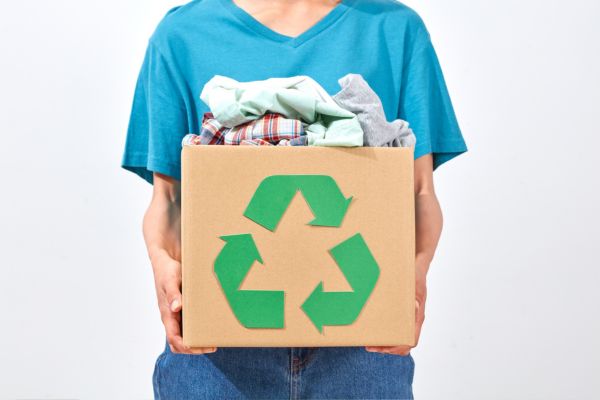
Secondhand clothing is one of the strongest options for children because kids outgrow garments so quickly. Many baby clothes are barely worn before they move to the next size. A secondhand sleepsuit, jacket, or party dress can have plenty of life left in it.
Hand-me-downs also carry a quiet kind of warmth. A jumper worn by an older sibling or cousin may come with memories attached. There is something lovely about clothes continuing their little journey through a family rather than being discarded after one short season.
Of course, secondhand shopping requires some care. Check for loose buttons, broken zippers, stretched elastic, and worn-out fabric. For baby sleepwear, make sure items still fit safely and are suitable for the season. Shoes are sometimes trickier because children’s feet need proper support, but coats, sweaters, dresses, trousers, and many everyday basics can work beautifully secondhand.
Buying Less but Choosing Better
One of the easiest ways to approach ethical clothing for kids is to reduce the number of items bought in the first place. This does not mean being strict or joyless. Children can still have fun clothes, favorite colors, and outfits that feel special. It simply means noticing what is genuinely needed.
A smaller wardrobe can make daily life easier. Fewer pieces mean less laundry confusion, less clutter, and more regular wear from each item. Parents often discover that children return to the same comfortable clothes again and again anyway. The extra pieces at the back of the drawer may not be doing much.
Capsule-style thinking can help. A few soft tops, comfortable bottoms, weather-appropriate layers, sleepwear, and one or two nicer outfits are often enough for a season, depending on laundry routines and climate. When each piece works with several others, clothing becomes more useful and less wasteful.
Caring for Kids’ Clothes So They Last
Even well-made clothes need proper care. Washing at lower temperatures when appropriate, avoiding harsh detergents, air-drying when possible, and treating stains early can extend the life of children’s garments. High heat can shrink cotton, weaken elastic, and damage prints, so care labels are worth reading.
Stains are part of childhood. A small mark does not always mean an item is ruined. Play clothes can still be useful with faded knees or paint spots. Not every garment needs to look perfect to have value. In fact, having a few “messy day” clothes can reduce the pressure to replace items too soon.
Simple repairs also matter. Sewing on a button, fixing a small seam, or patching worn knees can give a garment months of extra wear. Visible mending can even add character. Children often enjoy patches, especially when they choose the shape or color themselves.
Teaching Children About Clothing Choices
Ethical fashion is not only an adult concern. As children grow, they can begin to understand that clothes come from somewhere and are made by someone. This does not need to be a heavy lesson. It can be as simple as talking about why we take care of clothes, why we pass them on, or why we do not need to buy something new every time we visit a shop.
Children can help sort clothes they have outgrown, choose pieces to donate, or set aside favorites for younger siblings. They can learn to fold laundry, notice fabric labels, and understand that caring for belongings is part of respecting them. These small habits can shape how they think about consumption later in life.
There is also value in letting children enjoy clothes without turning every choice into a lecture. A sparkly dress, a superhero T-shirt, or mismatched socks can be part of childhood joy. Ethical clothing should not remove personality. Ideally, it helps create wardrobes that are playful, practical, and more mindful.
Conclusion
Ethical clothing for kids is not about chasing perfection or replacing every item in a child’s wardrobe. It is about making thoughtful choices in a category where clothes are used hard, washed often, and outgrown quickly. Materials, durability, comfort, care, secondhand options, and hand-me-downs all play a part.
The best approach is usually balanced. Choose softer and safer fabrics when you can. Look for strong seams and practical designs. Buy fewer pieces that children will truly wear. Care for clothes well, repair small damage, and pass garments along before they lose their usefulness. In the end, ethical kids’ clothing is less about a polished image and more about respect: for children’s comfort, for the people who make clothes, and for the world those children are growing into.