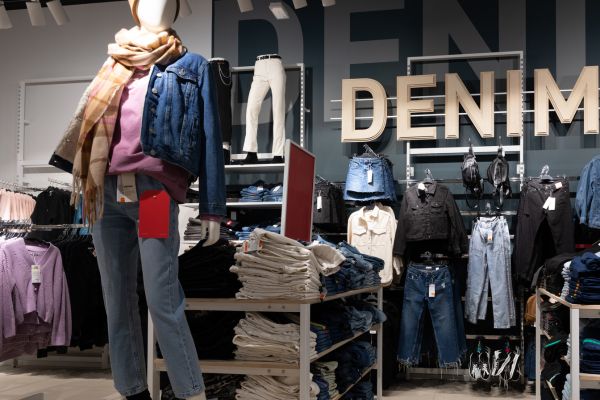
Fashion has always carried a strange mix of emotion and practicality. Some people save for months to buy a designer handbag they have admired for years, while others feel perfectly satisfied walking out of a budget-friendly store with a full outfit for the same price. Somewhere between those two experiences lies an ongoing conversation that never really disappears: luxury vs affordable brands.
The discussion is rarely just about clothing. It touches identity, status, quality, personal values, and even psychology. For some, luxury fashion represents craftsmanship and timeless design. For others, affordable fashion offers freedom, accessibility, and the ability to experiment without financial guilt.
The truth is that neither side tells the whole story. Fashion today exists in a complicated middle ground where expensive does not always mean better, and affordable does not automatically mean poor quality. Understanding the difference requires looking beyond price tags and paying attention to how people actually live, shop, and dress.
Why Luxury Fashion Holds Emotional Appeal
Luxury fashion has long been associated with exclusivity. Part of its attraction comes from the feeling that these pieces are special, carefully made, and intentionally limited. Designer clothing often carries a sense of history and identity that people connect with on a personal level.
There is also an emotional experience attached to luxury shopping. The packaging, the presentation, the store atmosphere, even the way an item is handed across the counter can create a feeling of occasion. For many buyers, that experience matters just as much as the product itself.
Some luxury items genuinely reflect exceptional craftsmanship. High-end tailoring, premium fabrics, detailed stitching, and handmade elements can create clothing that lasts for years when properly cared for. A well-made coat or leather bag may age beautifully over time rather than wearing out quickly.
Still, emotional appeal is powerful enough that not every luxury purchase is purely practical. Sometimes people buy designer pieces because they symbolize achievement or personal success. Fashion becomes tied to memory and self-image in ways that go far beyond functionality.
The Rise of Affordable Fashion
Affordable fashion brands changed the industry by making trends accessible to ordinary shoppers. Decades ago, runway-inspired clothing often remained financially out of reach for most people. Now trends move from fashion shows to shopping centers within weeks.
This accessibility reshaped consumer habits completely. People became used to refreshing wardrobes more frequently and experimenting with different styles without making major financial commitments.
Affordable fashion also reduced some of the intimidation surrounding style. You no longer needed a large income to participate in fashion culture or express creativity through clothing. That shift made personal style feel more democratic in many ways.
Of course, affordability comes with trade-offs. Lower prices sometimes mean lower-quality materials, faster production timelines, and shorter garment lifespans. But many shoppers accept those compromises because affordability allows flexibility. They can try bold colors, seasonal trends, or new silhouettes without worrying about a major investment.
Interestingly, some affordable brands have become surprisingly skilled at balancing cost and appearance. Certain pieces look far more expensive than they actually are, especially when styled thoughtfully.
Quality Is Not Always What People Expect
One of the biggest assumptions in the luxury vs affordable brands debate is that expensive clothing automatically means superior quality. Sometimes that is true. Sometimes it really is not.
There are luxury products made with remarkable care and precision. But there are also expensive items that rely heavily on branding and image while offering only modest differences in construction. Meanwhile, some affordable brands produce surprisingly durable basics that hold up well over time.
Fabric quality often reveals more than logos do. Natural fibers, strong stitching, proper lining, and good construction matter more than flashy labels. A simple affordable blazer with clean tailoring may outperform a poorly constructed designer piece in everyday wear.
Consumers today are also more informed than previous generations. Online reviews, fashion forums, and social media discussions make it easier to compare products honestly. People have become better at recognizing when they are paying for craftsmanship versus when they are mainly paying for prestige.
That awareness has slightly blurred the traditional divide between luxury and affordable fashion.
The Influence of Social Media on Fashion Spending
Social media changed the way people think about fashion almost overnight. Platforms filled with outfit photos, influencer culture, and luxury unboxings created constant exposure to expensive lifestyles that once felt distant.
At the same time, affordable brands benefited from this environment too. Trend cycles accelerated dramatically because consumers wanted to recreate looks they saw online as quickly as possible. Fast fashion brands adapted almost instantly to that demand.
The result is a culture where people sometimes feel pressure from both directions. Some feel drawn toward luxury items because they symbolize status online. Others feel overwhelmed by the endless cycle of affordable trend consumption.
There is also growing fatigue around performative fashion. Many people have started questioning whether constantly buying new clothing actually improves personal style or simply feeds short-term excitement.
That shift has encouraged more thoughtful shopping habits, especially among younger consumers who increasingly value versatility and authenticity over obvious branding.
Personal Style Matters More Than Price
One of the most refreshing realizations in fashion is that style and wealth are not the same thing. Some of the most memorable outfits come from people who mix pieces naturally rather than dressing entirely in designer labels.
A person with strong personal style can make affordable clothing look elegant because confidence, coordination, and fit matter enormously. Meanwhile, expensive clothing worn without authenticity can feel awkward or overly curated.
Fashion tends to work best when it reflects personality instead of trying too hard to signal status. This is partly why many modern wardrobes combine both luxury and affordable pieces. Someone may invest in a timeless leather bag or wool coat while choosing simpler basics from more accessible brands.
The mix often feels more realistic and wearable than an outfit built entirely around labels.
People are also becoming more interested in repeat wear rather than constant novelty. Rewearing favorite pieces, styling clothing differently, and building long-term wardrobes feels more grounded than chasing endless consumption.
Sustainability and Ethical Questions
The conversation around luxury vs affordable brands increasingly includes sustainability. Fast fashion has faced criticism for encouraging overconsumption and producing large amounts of waste. Rapid production cycles and low prices can sometimes come at environmental and ethical costs.
Luxury fashion is not automatically innocent either. Some designer brands still participate in wasteful production practices or rely heavily on exclusivity marketing that encourages excess consumption.
However, luxury clothing may sometimes last longer because of higher-quality materials and construction. A durable piece worn for years can ultimately create less waste than repeatedly replacing cheaper items.
At the same time, affordable fashion serves an important purpose because not everyone can spend hundreds or thousands on clothing. Sustainable shopping should not become another form of class pressure where only expensive choices are considered acceptable.
Many consumers now try to find a middle path. They buy fewer items overall, focus on quality where possible, shop secondhand, repair clothing, or choose versatile pieces they genuinely enjoy wearing repeatedly.
That balanced approach often feels more realistic than extreme positions on either side.
The Psychology Behind Fashion Choices
Clothing decisions are rarely logical all the time. People buy fashion for emotional reasons whether they realize it or not.
Luxury purchases may provide a sense of accomplishment, confidence, or belonging. Affordable shopping can offer excitement, spontaneity, and creative freedom. Neither motivation is necessarily shallow. Fashion has always been connected to emotion because clothing shapes how people present themselves to the world.
The problem usually begins when shopping becomes driven entirely by comparison or insecurity. Social pressure can make people feel they need luxury items to appear successful or constant affordable hauls to stay fashionable.
In reality, the most satisfying wardrobes are often the ones built slowly and intentionally. Pieces carry more meaning when they genuinely fit a person’s life rather than simply reflecting outside expectations.
Finding Balance in Modern Fashion
For many people, the most practical solution is balance. Investing carefully in a few long-lasting pieces while relying on affordable brands for basics or trend-driven items creates flexibility without overwhelming financial pressure.
This approach also allows fashion to stay enjoyable instead of stressful. Not every purchase needs to become a major investment, and not every item needs to be disposable.
Modern style feels increasingly personal rather than rule-based. Some people prefer minimalist wardrobes with fewer high-quality pieces. Others enjoy variety and experimentation. Both approaches can work beautifully when they reflect genuine preferences instead of social pressure.
The fashion industry itself continues evolving because consumers are asking harder questions about quality, ethics, value, and identity. People no longer accept simple assumptions about price and style quite as easily as before.
Conclusion
The debate around luxury vs affordable brands is unlikely to disappear because fashion has never been only about clothing. It reflects culture, aspiration, creativity, identity, and changing social values all at once.
Luxury fashion can offer craftsmanship, emotional connection, and lasting appeal. Affordable fashion provides accessibility, experimentation, and flexibility for everyday life. Both serve different purposes, and neither fully defines personal style on its own.
What matters most is understanding why certain purchases feel meaningful and whether they truly fit the way someone wants to live and dress. A thoughtful wardrobe does not depend entirely on price. It depends on intention, confidence, and the ability to wear clothing in a way that feels authentic.
In the end, fashion becomes far more interesting when people stop dressing to impress strangers and start dressing in ways that genuinely reflect themselves.