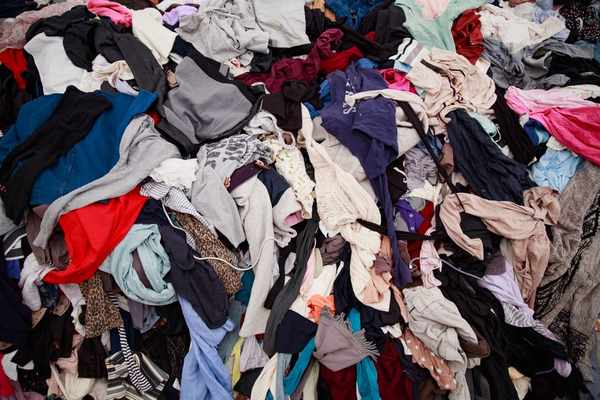
A worn-out T-shirt, a broken zip and a bag of old bedding might all look like textile waste, but they do not necessarily belong in the same collection bin. What happens next depends on the item’s condition, its fiber composition and the sorting facilities available where you live. This textile recycling guide explains the routes old clothing can take, without assuming that every donated garment becomes a new one.
The question is not simply “Can this be recycled?” It is “Can someone still use it, and if not, which local service can actually process it?” Answering that question helps keep reusable clothing in circulation and directs damaged textiles toward suitable recovery options.
Start With Condition, Not the Recycling Symbol
Clothing in good condition is generally better suited to reuse than to fiber recycling. A clean jacket with a loose button may need a minor repair, while a wearable pair of jeans may have a second life through a charity shop, resale platform or clothing swap. Reuse preserves the garment itself rather than requiring another manufacturing process.
Set aside items that are torn beyond practical repair, heavily worn or no longer useful as clothing. Some textile collectors accept these for recycling, but a charity accepting wearable donations may not have a route for damaged fabric. Never assume one collection point accepts everything.
Which Materials Can Be Recycled?
Cotton, wool, polyester and some other fibers can enter recycling processes under suitable conditions. Clean, relatively uniform materials are often easier to identify and process than mixed fabrics. Old sheets, towels, T-shirts and denim may be accepted by textile-specific programs, although acceptance varies by operator.
Clothing is not the only possible input. Some facilities handle fabric offcuts and household linens. Stuffed pillows, duvets, carpets, shoes and accessories often follow different rules because they contain fillings, coatings or multiple components. Always check the accepted-items list rather than relying on the word “textiles” alone.
Where Do Old Clothes Go After Collection?
Collection is the start of a sorting journey, not proof that material has been recycled. Operators may sort by wearability, garment type, fiber content and market demand. Exact routes vary, and not every collector publicly reports the final destination.
Reuse and Resale
Wearable garments may be sold locally, distributed through reuse organizations or traded to other markets. This can extend a garment’s life, but an overseas destination does not guarantee it will be worn again. Poor-quality items can become waste further along the chain. Giving away clothing in genuinely usable condition matters.
Downcycling Into Other Products
Fabric that is unsuitable for resale may be cut into industrial wiping cloths or shredded into material for insulation, padding and other products. This is a form of material recovery, but it is not the same as turning an old shirt into another shirt. Some products made from recovered fibers may be difficult to recycle again.
Fiber-to-Fiber Recycling
Mechanical recycling opens or shreds fabric into fibers that can sometimes be spun into new yarn. The process may shorten fibers, so manufacturers may blend recovered material with stronger fibers. Chemical processes can break certain textiles into substances used to manufacture new fibers, but the suitable input and available technology depend on the material. Large-scale clothes-to-clothes recycling remains more limited than collection-bin messaging sometimes suggests.
Any remainder that cannot be reused or processed may require disposal. A retailer take-back box is therefore not an automatic closed-loop recycling guarantee. Look for programs that explain their sorting partners and likely outcomes.
Why Fiber Blends Make Recycling Harder
Check the label on a stretchy pair of jeans: it might list cotton, polyester and elastane. Each contributes something useful to the garment, but the combination is troublesome at end of life. Mechanical fiber recycling does not neatly separate those intertwined materials, and chemical separation requires specialized systems.
Even a small percentage of elastane can complicate processing. Prints, coatings, buttons and zips introduce further sorting work. Research into separating blended fibers is advancing, but the existence of a laboratory method does not mean your local textile bank can use it.
That is why fiber composition and local infrastructure both matter. A 100% cotton shirt and a cotton-polyester blend may be collected together yet travel down different pathways afterward. This distinction is central to responsible clothes recycling.
How to Recycle Old Clothes Responsibly
Use a Three-Pile Check
Imagine clearing a wardrobe and finding a barely worn jumper, a shirt with a repairable seam and socks worn through at the heels. The jumper belongs in a reuse pile. Fix the shirt if possible, or offer it with the fault clearly disclosed. Put the worn socks in a separate pile until you have confirmed a collector specifically accepts non-reusable textiles.
Wash or clean items according to the collection program’s instructions and make sure they are dry. Moisture and contamination can spoil other textiles in a shared bag. Keep wearable donations separate from damaged items when a collector requests it. Do not place loose clothing into ordinary household recycling unless your local authority explicitly allows it.
Choose the Right Drop-Off Route
Check municipal recycling guidance, a recognized textile bank, a reuse charity or a retailer’s take-back scheme. Look for clear rules about damaged clothing, underwear, bedding and shoes. If the scheme only asks for clean, reusable clothes, do not use it for an unwearable pile.
When information is vague, ask: Does this service accept fabric that cannot be worn? Is it sorted for reuse first? What happens to unsellable material? A transparent answer is more meaningful than a broad promise to “recycle everything.”
Before the Next Cleanout
Useful companions to textile recycling are clothing repair techniques, fabric care instructions and shopping secondhand. Longer use reduces the amount needing collection, while readable care labels can help identify fibers. No purchase or label, however, guarantees a future recycling route.
Frequently Asked Questions
Can ripped clothes go in a textile recycling bin?
Sometimes. A collection service that explicitly accepts clean, damaged textiles may take them. A donation point intended only for wearable clothing may not. Read the operator’s instructions before dropping anything off.
Can polyester clothing be recycled?
Yes, certain polyester textiles can be processed through suitable mechanical or chemical recycling routes. However, availability varies, especially for blended fabrics, and most local collections do not guarantee that polyester garments become new clothing.
Should I wash clothes before donating or recycling them?
Follow the collector’s requirements, but in general, send clean, completely dry items. Do not donate mouldy, wet or chemically contaminated textiles; ask your local waste service how to handle those safely.
Are clothing take-back boxes the same as recycling programs?
Not necessarily. Some collect for reuse, some send material to sorting partners, and some may support recycling for particular fibers. Check the scheme’s published details to understand what is actually promised.
Making the Most of Textile Recycling
The responsible route starts with an assessment of what can still be worn. Repair and pass on usable items; direct clean, unwearable fabrics to a collector that accepts them; and follow local disposal guidance for anything unsuitable. Knowing the difference between reuse, downcycling and fiber recycling helps you recycle old clothes with realistic expectations, rather than treating every collection bin as a guarantee.