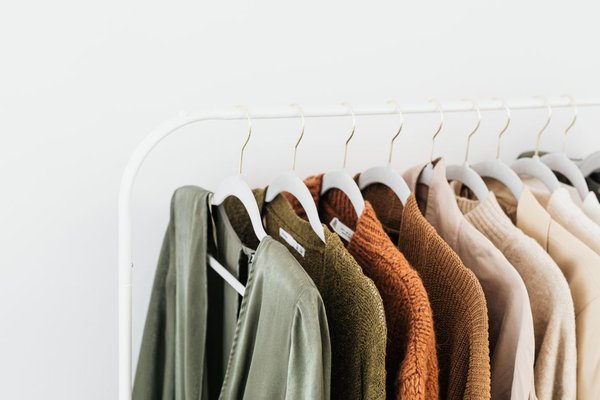
Building a capsule wardrobe is usually presented as an exercise in owning fewer clothes. Building a genuinely unisex one asks a better question: can the same small collection support different ways of presenting yourself without forcing every outfit into a masculine or feminine box? The goal is not a rail of oversized basics. It is a flexible system that can look soft, sharp, relaxed, structured, neutral, or expressive depending on how you style it.
If you are working out how to build a unisex capsule wardrobe, start with function, proportion, and styling range rather than the gender label on a product page. A shirt can be buttoned, worn open, tucked, or layered. Wide-leg trousers can feel tailored with loafers or casual with trainers. That adaptability is what makes a compact wardrobe useful.
Define what unisex means for you
There is no single correct silhouette for gender-neutral dressing. Some people want an androgynous look most of the time; others want a wardrobe that can move between traditionally masculine and feminine cues.
Before buying anything, choose three words that describe how you want to feel in your clothes, such as clean, relaxed, and architectural. Then list the situations your wardrobe must cover: work, errands, dinners, travel, or weekends. This keeps a gender neutral capsule wardrobe rooted in your real life rather than an abstract aesthetic.
Audit by function, not gender category
Instead of dividing your clothes into menswear and womenswear, sort them by job: base layers, shirts, knitwear, trousers, outerwear, shoes, and finishing pieces. Then look for duplication and gaps.
A useful capsule might include a few base tops, two shirts, two layers, three bottoms, one or two jackets, and a small shoe rotation. The exact number matters less than whether each piece works with several others.
For more planning help, consider an internal guide on capsule wardrobe basics. A broader gender-fluid fashion guide would also be a natural next read.
Choose silhouettes with room to shift
The strongest unisex wardrobe essentials usually have styling-friendly proportions. Straight-leg trousers, relaxed jeans, boxy tees, crisp shirts, fine-gauge knits, chore jackets, bombers, blazers, and simple coats can all move across different presentations.
That does not mean everything should be loose. Contrast creates range. Try a fitted ribbed top with wide trousers, or a roomy shirt with a straighter bottom. A cropped jacket can also change proportions without pushing the whole outfit in one gendered direction.
Pay attention to where garments sit
The same trousers can read differently depending on whether they sit at the waist or lower on the hips. Tucking a shirt fully, half-tucking it, or leaving it open over a base layer can change the visual balance as much as buying another garment.
When trying on clothes, test at least two styling positions. Roll sleeves, adjust the rise, button and unbutton layers, and switch shoes. This is a simple way to make an androgynous style guide practical rather than theoretical.
Build a palette that supports variety
A capsule does not have to be beige, black, and white, but a controlled palette makes mixing easier. Choose two or three foundation colours, then add one or two accents you genuinely enjoy. Navy, charcoal, cream, olive, brown, denim, black, and off-white are easy foundations because they combine well.
Texture keeps a restrained palette from becoming dull. Denim, wool, cotton poplin, rib knit, leather, canvas, and twill can make simple outfits feel intentional. If most of your clothes are neutral, texture is often more useful than another colour.
Prioritise pieces that create several moods
Think in outfits rather than isolated garments. A white or pale-blue shirt can be worn with tailored trousers, open over a vest, layered under a knit, or tucked into high-rise jeans. A dark blazer can sharpen a T-shirt, soften with wide trousers, or work for evening with jewellery and a sleeker shoe.
A practical starter mix could include a plain tee, fitted base layer, button-up shirt, knit, straight jeans, tailored trouser, relaxed trouser, versatile jacket, coat, trainers, and one smarter shoe. Adjust the mix for your climate and dress code.
Use accessories to change the presentation
A belt, cap, scarf, chain, watch, tote, crossbody bag, or structured handbag can redirect the same base outfit. Footwear has a similar effect: loafers, trainers, boots, or simple sandals can make identical trousers feel polished, utilitarian, minimalist, or playful.
Run a seven-day styling test before shopping
Before purchasing missing items, spend one week using a limited set from what you already own. Pick around twelve to fifteen garments and create a different outfit each day. Photograph the results so you can see patterns clearly.
For example, choose black pleated trousers, straight-leg jeans, a white shirt, black tee, cream knit, cropped jacket, long coat, trainers, and loafers. One day, wear the trousers with the tee and trainers. Another day, pair the jeans with the shirt and loafers. Later, layer the knit over the shirt. By the end of the week, you will know which pieces genuinely create options and which only looked versatile on the hanger.
The test also exposes fit problems. If you avoid a shirt because the shoulders feel restrictive or trousers because the rise works with only one styling approach, they may not deserve space in the final capsule. An internal wardrobe fit and proportions guide would fit naturally here.
Buy across departments when it improves the fit
Do not let store departments decide what belongs in your wardrobe. Menswear may offer straighter cuts, longer shirts, or heavier fabrics; womenswear may offer cropped lengths, higher rises, or more varied drape. Neither section is inherently more or less unisex.
Check garment measurements instead of relying only on the size label. Shoulder width, chest, rise, inseam, hem width, and overall length tell you more about how a piece will behave. Tailoring can turn an almost-right garment into a staple.
FAQ
How many items should a unisex capsule wardrobe have?
There is no ideal number. Many people find roughly 20 to 35 clothing items manageable, excluding underwear and specialist sportswear, but lifestyle matters more than the count. Start small enough that most pieces can be worn together.
Does a unisex wardrobe have to be oversized?
No. Oversized clothing is only one silhouette. Fitted base layers, cropped jackets, straight trousers, high-rise pieces, and tailored garments can all belong when they support the range of presentation you want.
Can colour work in a gender-neutral capsule wardrobe?
Absolutely. Colour has no fixed gender. The practical issue is coordination, so choose shades that work together and give you more combinations from fewer pieces.
What should I buy first?
Buy only after auditing what you already wear. If there is a genuine gap, start with the piece that would complete the greatest number of outfits, such as a versatile trouser, shirt, jacket, or shoe.
Create a wardrobe that gives you options
A successful unisex capsule wardrobe should make getting dressed easier without flattening your identity. Focus on adaptable silhouettes, compatible colours, useful layers, accurate fit, and pieces that can shift through styling. When each garment can participate in several different versions of you, a smaller wardrobe stops feeling restrictive and starts feeling more expressive.