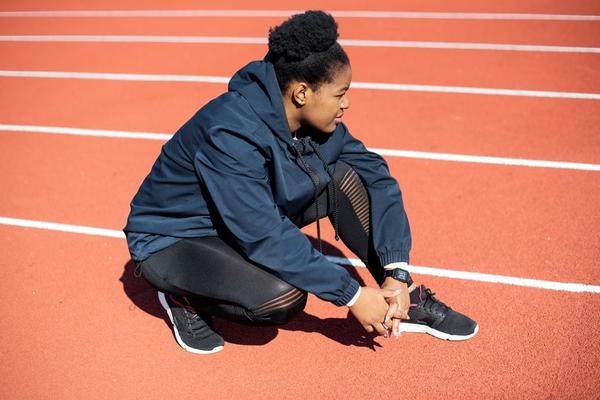
Starting running does not require a cupboard full of equipment. The common mistake is shopping as if you already train five days a week. A better approach is to buy the few things that affect comfort, safety and consistency, then add extras only when your routine proves you need them. The best running gear for beginners is less about premium technology and more about getting the basics right.
Start with running shoes, not a shopping spree
If you spend properly on one item, make it your shoes. Running shoes are built for repeated impact and forward movement, but the “best” pair is the one that fits your feet and suits where you run. For roads, pavements and treadmills, a comfortable road-running shoe is usually the simplest choice. Trail shoes become more useful when your regular route involves loose dirt, rocks or slippery ground.
Fit matters more than brand loyalty or the latest foam. Your toes should have room to move, while the heel and midfoot should feel secure rather than squeezed. Try shoes on with the socks you will run in and leave comfortable space at the front. If you have persistent foot pain, unusual wear patterns or a known foot problem, personalised professional advice is more useful than choosing from an online popularity list.
Beginner running clothes: buy for comfort and weather
Your starting to run outfit can be much simpler than social media makes it look. A comfortable top and shorts, leggings or joggers may already be in your wardrobe. The main upgrade worth considering is fabric that manages sweat well. Lightweight synthetic blends or merino-based fabrics generally dry faster than heavy cotton, which can become damp and uncomfortable.
For mild weather, one breathable top and comfortable bottoms are enough. In colder conditions, thin layers are usually more practical than one bulky garment because you can adjust as you warm up. In rain or wind, a lightweight outer layer can improve comfort, but a technical jacket is not an essential first-day purchase.
If you wear a sports bra, choose one with enough support for running, which is a high-impact activity. Comfort should be tested through movement, not just while standing still.
Running socks are a small upgrade with a big payoff
Running-specific socks are not mandatory, but they are one of the cheapest running gear essentials that can improve comfort. Look for a close fit with minimal bunching and moisture-managing material. If ordinary socks leave you with hot spots or blisters, upgrade them before buying watches, belts or matching sets.
What you can skip at the beginning
A GPS watch, heart-rate strap, carbon-plated shoes, hydration vest and expensive wireless headphones can all be useful later, but none is required to learn how to run consistently. A phone timer can handle run-walk intervals, and a free training app can guide early sessions. Beginner programmes such as Couch to 5K also show why building up gradually matters more than measuring every kilometre.
Use the first few weeks as a test period. If checking your phone for pace becomes annoying, a watch may be convenient. If you begin running longer routes in warm weather, carrying water may become sensible. If you run before sunrise or after dark, visibility gear moves from optional to important. Let your routine create the shopping list.
Safety gear depends on where and when you run
For daylight runs on familiar pavements, you may need nothing beyond your normal gear. Low-light running is different. Reflective details and a headlamp or clip-on light can help you see and be seen. Choose well-lit routes where possible and stay aware of traffic, cyclists and pedestrians, especially if you wear headphones.
Hydration is situational too. A short run in cool weather may not require carrying a bottle, while warmer conditions or longer sessions can make water more useful. You do not need a hydration vest immediately; a small handheld bottle or a route with access to water may be enough.
A sensible starter kit at three budget levels
Use-what-you-have setup
Start with comfortable exercise clothes, a supportive sports bra if needed, a phone for timing and properly fitting running shoes. This is enough for short run-walk sessions and lets you see whether running becomes a real habit before spending more.
Comfort-first setup
Add two or three pairs of running socks, one moisture-managing top and weather-appropriate bottoms. This suits someone running several times a week who wants fewer distractions from sweat, rubbing or damp clothing.
Routine-established setup
Once you are consistent, add only what solves a recurring problem: a running belt if your phone bounces, a light for dark routes, a cap for strong sun, a light jacket for wind or rain, or a watch if tracking pace and distance genuinely motivates you.
A practical first-week example
Imagine your first three sessions are 25 to 30 minutes of alternating walking and easy running. Wear well-fitting running shoes, comfortable socks, a breathable T-shirt and shorts or leggings, and take your phone for timing. Afterwards, note what actually bothered you. Blisters suggest socks or shoe fit deserve attention. A bouncing phone suggests a belt or pocketed shorts. Feeling hard to see on an evening route suggests reflective gear. This problem-first approach prevents impulse purchases and builds a kit around real needs.
If you are also planning your training, our beginner running plan is a logical next read. For a deeper footwear decision, see how to choose running shoes, and if the seasons are changing, what to wear for winter running can help you add layers without overbuying.
FAQ
What running gear does a complete beginner really need?
For most beginners, the core kit is well-fitting running shoes and comfortable clothing suitable for the weather. A supportive sports bra may also be essential. Everything else can be added as your distance, conditions and preferences develop.
Do beginners need expensive running shoes?
No. Price does not guarantee the best fit. A comfortable daily training shoe that suits your foot and running surface is a better beginner choice than an expensive model designed for racing or specialised performance.
Should I buy a running watch straight away?
Not unless you already know that data motivates you. A phone, stopwatch or free training app can time beginner run-walk sessions perfectly well. A watch becomes more useful when you want convenient pace, distance or heart-rate tracking.
What should I wear for my first run?
Choose a simple starting to run outfit: supportive running shoes, comfortable socks, a breathable top and shorts, leggings or joggers that let you move freely. Add layers for cold, reflective elements for darkness and sun protection when conditions call for it.
Build your kit as your running grows
The smartest beginner setup is not the one with the most equipment. It is the one that removes friction from getting out the door. Spend your attention on shoe fit, comfortable beginner running clothes and basic safety, then wait before buying extras. After a few weeks, your own runs will tell you what is missing. That keeps costs sensible and makes every new piece of gear solve a real problem rather than simply filling a drawer.