A shirt button is tiny, but using one can demand more hand control than it seems. Pinching, lining up and pushing a button through a hole requires grip strength, coordination and fine motor movement. For someone living with arthritis, Parkinson’s disease, tremors, limited hand mobility or the effects of a stroke, that small task can make getting dressed slow and frustrating. Magnetic closure clothing changes the mechanism rather than the appearance: hidden magnets bring two sides of a garment together with far less precise finger movement.
Many modern magnetic clothing closures sit behind familiar button plackets, cuffs or flies, so the garment looks conventional while behaving differently in the hand.
How magnetic clothing closures work
Most magnetic garments use small magnets sewn or enclosed inside the fabric where a traditional button, snap or similar fastener would normally do the work. When the two sides are brought close together, the magnets align and connect. Decorative buttons may remain visible even though they are not doing the fastening.
This reduces repeated pinching, twisting and pushing. A conventional shirt asks the wearer to control each button individually; a magnetic-front shirt can let the wearer bring the plackets together and allow the closures to find one another. Depending on the design, that can also make one-handed dressing more practical.
Where a small fastener makes a big difference
Shirts are the clearest example. Magnetic fronts can preserve the look of a standard button placket while removing much of the fine-motor work, and magnetic cuffs can help with one of the hardest parts of a dress shirt to reach and manipulate.
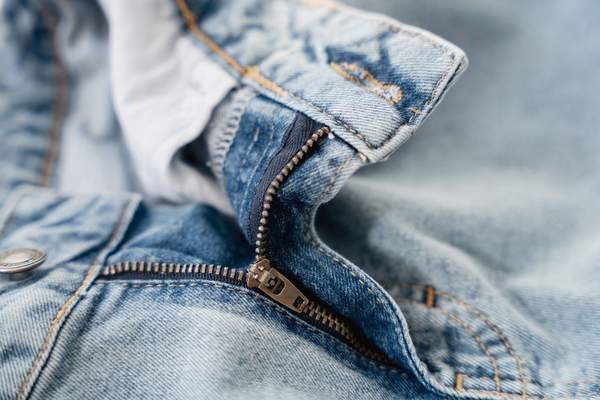
The same idea can extend to trousers, jackets and other garments. A magnetic fly or waistband can simplify dressing when gripping a zipper pull or fastening a rigid button is difficult. The strongest designs build accessible fasteners into the garment from the start rather than adding them as an obvious afterthought.
Imagine someone with hand tremors getting ready for work. They can put on an Oxford shirt without help, but fastening eight small buttons takes several attempts. A shirt with concealed magnets may let them complete the same routine independently while still wearing a familiar-looking garment.
Discreet design is part of accessibility
Adaptive fashion is often judged only by function, yet appearance affects whether people actually want to wear a garment. A closure can be technically accessible and still miss the mark if it makes clothing feel institutional or unlike the wearer’s usual style.
Magnetic closures can disappear inside mainstream-looking construction. Tommy Hilfiger’s Adaptive collection currently includes shirts with magnetic front closures and magnetic cuffs designed to resemble traditional button details. MagnaReady has built a specialist range around concealed magnetic closure systems in shirts and other adaptive apparel.
Related topics worth exploring include adaptive fashion for limited mobility, easy dressing clothes for seniors, and inclusive clothing design features.
What to check before buying
Start with the movement that is actually difficult. If the problem is tiny shirt buttons, a magnetic placket may be a strong fit. If the larger challenge is pulling clothing over the head, reaching behind the body or dressing from a seated position, magnets alone may not solve it. Side openings, wider necklines, pull loops or different garment construction may matter more.
Check how much of the garment is genuinely magnetic. Some adaptive shirts keep a conventional top collar button while using magnets lower down.
Also read the care instructions for the exact product. Current Tommy Adaptive product pages, for example, tell wearers to close fasteners before washing and not to iron over the magnets. Manufacturer-specific care is more reliable than assuming every magnetic garment can be treated the same way.
Useful shopping checks include: • Which closures are magnetic? • Can the garment be fastened with one hand? • Is the fit suitable for the wearer’s dressing position? • Are the magnets fully enclosed? • What washing and drying method does the label require?
The safety point shoppers should not overlook
Magnetic clothing is not suitable for everyone. Magnets can interfere with some implanted medical devices. The U.S. Food and Drug Administration warns that sufficiently strong magnets can affect devices such as pacemakers and implantable cardioverter defibrillators when brought close enough to them. Clothing brands also publish their own warnings: Tommy Hilfiger Adaptive advises people with pacemakers to consult a physician, while MagnaReady states that its magnetic garments should not be worn by people with pacemakers or ICDs.
If you or the person you are buying for has an implanted medical device, do not treat a general “magnetic clothing” description as a safety guarantee. Check the garment manufacturer’s warning and the medical-device manufacturer’s guidance, and ask the relevant healthcare professional when needed.
Damaged garments deserve attention too. If a sewn-in magnet becomes exposed, stop using the item until you know how the manufacturer recommends handling it. Magnets can be dangerous if swallowed, so exposed components should be kept away from children.
Magnets are useful, but not always the best closure
The strongest adaptive wardrobe is rarely built around one fastening technology. Hook-and-loop closures, snaps, elastic waists, larger zipper pulls and open-back or side-opening garments can all be better choices in particular situations. Magnets are especially useful when the main barrier is the precise hand movement demanded by small traditional fasteners.
That distinction helps shoppers avoid buying a feature simply because it sounds innovative. A magnetic shirt can be transformative for one person and unnecessary for another. The right purchase begins with the dressing task, not the technology.
Frequently asked questions
Are magnetic closures strong enough for everyday clothing?
They can be. Well-designed garments position and secure the magnets for normal wear, but performance varies by product and activity. Check the manufacturer’s intended use and return policy if you need a particularly secure fit.
Can magnetic clothing go in a washing machine?
Many magnetic garments are made for home washing, but care instructions vary. Follow the label, close fasteners when directed and avoid ironing directly over magnets when the manufacturer warns against it.
Who benefits most from magnetic closure clothing?
People who find buttons, snaps or zippers difficult because of reduced dexterity, tremors, limited grip strength or one-handed dressing may benefit. The garment still needs to match the person’s broader mobility needs.
Can someone with a pacemaker wear magnetic clothing?
Do not assume it is safe. Magnets may interfere with pacemakers and other implanted devices. Review the garment warning and the implanted-device guidance, then consult the appropriate healthcare professional before use.
Why this small change matters
The value of magnetic closure clothing is easy to underestimate because the technology is usually hidden. A garment may still look like an ordinary shirt, blouse or pair of trousers, yet fastening it can demand far less precision. That can support faster dressing, greater independence and less reliance on assistance.
The most successful designs are not impressive simply because they contain magnets. They work because the magnets disappear into clothing people already want to wear. When accessible fasteners are paired with familiar style, thoughtful construction and clear safety information, a small change in hardware can make everyday clothing substantially easier to use.