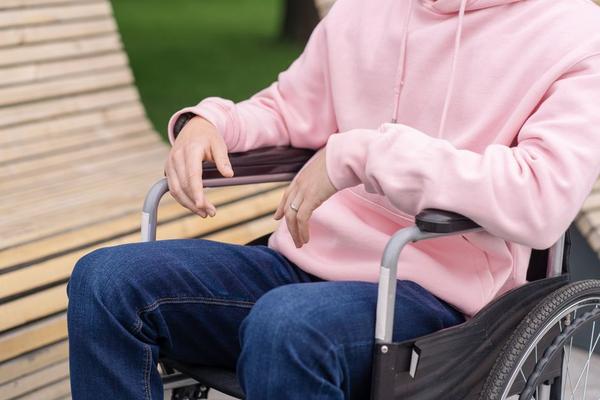
Adaptive clothing has moved beyond purely practical garments. The strongest brands now treat accessibility as a design problem rather than a medical afterthought, combining easier dressing, seated comfort, sensory-friendly construction and mainstream styling. The “best” option therefore depends less on a logo and more on what someone actually needs from a garment.
For one shopper, accessible clothing may mean trousers that fit properly while seated in a wheelchair. For another, it may mean magnetic shirt closures that reduce the need for fine finger movement. Someone with a prosthetic limb may need discreet access openings, while a person with sensory sensitivities may care most about flat seams, soft fabrics and tag-free construction.
How to compare adaptive clothing brands
Start with the dressing challenge you want to solve. Compare closure type, opening placement, seated or standing fit, wash care and how discreetly the adaptive feature is integrated. Availability matters too: some adaptive fashion brands sell widely, while others have stronger coverage in the UK or North America.
A practical example helps. If standard jeans are uncomfortable in a wheelchair, simply buying stretch denim may not solve the problem. A higher back rise, reduced bulk at pressure points, easier waist access and a seated-specific cut can matter much more. Readers new to the category may also find adaptive clothing basics useful before comparing individual products.
Adaptive clothing brands worth knowing in 2026
Tommy Hilfiger Adaptive: mainstream style with built-in solutions
Tommy Hilfiger remains one of the best-known names in disability friendly fashion. Its Adaptive collections retain the brand’s familiar style while adding features such as magnetic closures, one-handed zips, adjustable fits, sensory-conscious construction and openings that can accommodate braces, orthotics or prosthetics. Selected seated-wear trousers also use lower front rises and higher backs.
This is a strong choice for shoppers who want adaptive details without moving far from conventional fashion styling. Regional availability can vary by country and season.
Primark Adaptive: accessible pricing on the high street
Primark is especially relevant for UK shoppers because its adaptive range brings lower-priced options into a mainstream retail setting. The collection has expanded from underwear into men’s and women’s wardrobe staples and, in 2026, adaptive swimwear. Features across the range include snap fastenings, easier openings, pull loops, tube-access details and seated versions.
It is worth considering for shoppers who want to try accessible clothing without specialist-brand pricing, although stock and store availability can vary.
IZ Adaptive: specialist design for seated wear
IZ Adaptive is particularly notable for wheelchair-focused clothing. Its range includes open-back tops, seated outerwear and trousers designed to reduce uncomfortable bulk while sitting. Its seamless-back trouser designs focus on comfort and reduced pressure for wheelchair users.
Choose IZ Adaptive when seated fit is the priority rather than simply replacing buttons with easier fasteners. Its approach begins with body position and daily use, not a standard garment with a small modification.
No Limbits: disability-led design for varied needs
No Limbits grew from direct experience of trying to make ordinary trousers work with a prosthetic limb. Its current range includes adaptive pants for prosthetic access, wheelchair-oriented trousers, limited-dexterity pieces and sensory-friendly clothing. It also offers soft, tagless and flat-seam garments for people who find conventional clothing textures difficult.
This makes No Limbits useful for shoppers whose needs cross more than one category, from prosthetic access to sensory comfort.
Joe & Bella: easy dressing for older adults and caregivers
Joe & Bella focuses heavily on older adults, people with limited mobility and caregivers who want dressing to be simpler. Typical features include magnetic shirt closures, side-opening trousers, elasticated waists and strategically placed zips. The styling is intentionally familiar rather than clinical.
It can be particularly useful for arthritis, recovery after surgery or age-related dexterity changes. A related guide to clothing for limited mobility would be a natural internal resource for comparing closure systems in more detail.
MagnaReady: a strong option for magnetic closures
MagnaReady specialises in clothing that replaces difficult buttons with hidden magnetic closures. Its range includes shirts, trousers, knitwear and outerwear designed for people with reduced dexterity. The garments keep the appearance of conventional button-front clothing while reducing fine-motor effort.
Magnetic clothing is not suitable for every situation. People with pacemakers, defibrillators or other implanted medical devices should follow product safety guidance and seek appropriate medical advice before choosing garments with magnets.
Slick Chicks: adaptive underwear and easier-access basics
Slick Chicks takes a more specialised approach, concentrating on adaptive underwear, bras and selected casual pieces. Its designs focus on easier dressing and access, which can be especially valuable for mobility limitations, recovery or anyone who finds conventional underwear difficult to pull on and off.
It may not provide a full wardrobe, but it covers an area that broader adaptive clothing brands sometimes overlook.
Which brand is best for your needs?
For mainstream styling, Tommy Hilfiger Adaptive is a natural starting point. Value-conscious UK shoppers may prefer Primark. Wheelchair users may find IZ Adaptive’s seated construction more relevant, while people who use prosthetics or have sensory sensitivities may prefer No Limbits. Joe & Bella suits easier dressing for older adults, MagnaReady stands out for magnetic fastening, and Slick Chicks is worth considering for adaptive underwear.
The most useful approach is to identify the hardest part of getting dressed, then choose a garment designed around that issue. Readers who spend much of the day seated may also benefit from a future seated clothing fit guide.
Frequently asked questions
What makes a clothing brand adaptive?
Adaptive brands design garments to reduce barriers created by conventional clothing. Features can include magnetic or snap closures, open-back construction, seated cuts, prosthetic-access zips, sensory-friendly seams and easier waist systems.
Are adaptive clothes only for disabled people?
No. They are designed around disability, mobility, dexterity and sensory needs, but they can also help older adults, people recovering from surgery and people with temporary injuries.
Is magnetic adaptive clothing safe for everyone?
No single magnetic garment is suitable for everyone. People with implanted medical devices should check product warnings and follow advice from the device manufacturer or a qualified clinician.
How do I choose adaptive clothing online?
Read the feature description rather than relying on the word “adaptive.” Check the closure system, seated or standing fit, access points, fabric, care instructions, size guide and return policy. Prioritise the feature that solves the specific dressing task that causes difficulty.
Accessible fashion works best when it solves a real problem
The most encouraging change in adaptive fashion is the variety of approaches now available. Mainstream retailers are making accessible clothing easier to find, while specialist brands continue to solve problems that standard garments often ignore. That gives shoppers more freedom to compare style, independence, comfort and budget.
The right brand is ultimately the one whose design choices match the wearer’s everyday routine. Start with the barrier, compare the feature that addresses it, and treat fit and comfort as seriously as appearance. That is where adaptive fashion becomes genuinely useful clothing rather than simply another label.