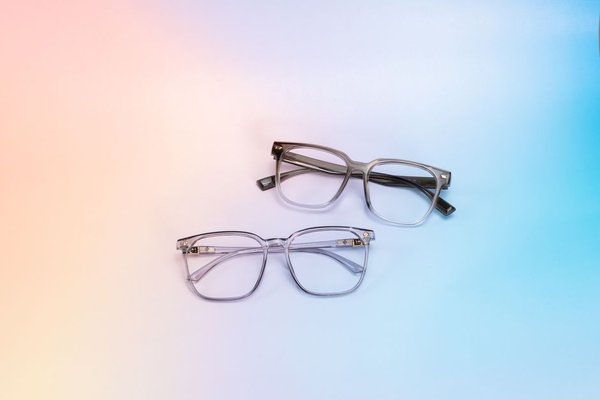
Blue light glasses used to be easy to spot: bulky frames, yellow lenses, and a distinctly functional feel. That is no longer the case. The best blue light glasses fashion options now borrow from everyday eyewear trends, so they can work with office outfits, weekend clothes, and video-call wardrobes rather than looking like computer equipment.
There is one useful reality check before comparing styles. Current research does not show that blue-light filtering lenses reliably prevent digital eye strain or protect the retina from ordinary screen use. A major Cochrane review found little evidence of short-term benefit for eye fatigue. These glasses are therefore best chosen as attractive, comfortable eyewear rather than as a guaranteed medical solution.
What Makes Blue Light Glasses Look Stylish?
Stylish blue light glasses succeed when the frame, lens, and fit work together. A fashionable frame can still look awkward if it sits too wide, slips down the nose, or creates a strong coloured reflection on camera. The most wearable designs usually have clear or nearly clear lenses, balanced proportions, and a finish that complements your jewellery, hair colour, and everyday wardrobe.
Look closely at the lens treatment as well as the frame. Some filters create a blue, purple, or green reflection under lamps and ring lights, while stronger filters may have a warm tint. If your work involves photography, beauty, interiors, or colour-sensitive editing, a low-tint lens with a good anti-reflective coating may be more practical than an amber lens that changes how colours appear.
Comparing the Most Fashionable Frame Styles
Soft Rectangular Frames
Soft rectangular frames are the easiest option for people who want fashionable computer glasses without building an outfit around them. Rounded corners feel less severe than a sharp business frame, while the straight upper line adds structure. Slim black, dark tortoiseshell, transparent grey, and warm brown versions suit smart-casual dressing and most professional settings.
Transparent Acetate
Clear, champagne, smoke, and translucent blush frames create shape without adding visual heaviness. They work particularly well when you already wear statement earrings, patterned clothing, or strong makeup. Transparent acetate often looks more refined when it has subtle depth, such as a softly tinted edge, faint marbling, or layered material around the temples.
Tortoiseshell Frames
Tortoiseshell is a reliable bridge between classic and fashion-forward. Brown, honey, amber, and black patterning adds interest while behaving almost like a neutral. Fine tortoiseshell feels polished and traditional, while thicker acetate looks more editorial. A medium frame with a softly rounded shape offers an easy balance of personality and practicality.
Thin Metal Frames
Wire frames in gold, silver, gunmetal, or rose gold create a lighter effect than acetate. Round and oval versions lean vintage, while slim geometric shapes feel contemporary. Pay attention to adjustable nose pads and temple comfort: a delicate frame can look elegant but become irritating during long work sessions if it pinches or slides.
Bold Geometric Frames
Hexagonal, angular cat-eye, and oversized square frames turn trendy eyewear into a visible fashion accessory. They suit people whose personal style already includes sculptural jewellery, strong tailoring, or distinctive colour combinations. To keep the result wearable, pair a bold shape with a neutral finish and a nearly clear lens rather than combining every statement detail at once.
Modern Cat-Eye Frames
A modern cat-eye does not need exaggerated points. A subtle lift at the outer corners can add definition while remaining suitable for daily wear. Black creates the strongest effect, but burgundy, deep green, translucent brown, and muted pink feel softer. This shape works especially well when you want your glasses to echo winged eyeliner, sharp collars, or vintage-inspired clothes.
How to Match Frames to Your Face and Wardrobe
Face shape guides can help, but they should not become rigid rules. Proportion and comfort matter more than whether your face is labelled round, oval, square, or heart-shaped. Angular frames can add definition to softer features, while rounded frames can soften a strong jaw or prominent cheekbones.
Next, compare the frame with your wardrobe palette. Black and silver suit cool, high-contrast outfits. Tortoiseshell, brown, champagne, and gold work naturally with warmer neutrals. Clear grey and transparent beige are useful for a capsule wardrobe because they sit quietly beside most colours.
Try this practical test before keeping a pair: wear your usual work outfit and take a photo in daylight, normal room lighting, and your regular video-call setup. A frame may look excellent in a mirror but create distracting lens reflections on screen. This real-world comparison is more useful than judging fashionable computer glasses only under bright shop lighting.
Features Worth Comparing Before You Buy
Style gets the attention, but comfort determines whether you actually wear the glasses. Compare frame width, bridge fit, temple pressure, weight, lens clarity, prescription compatibility, and the return policy. A frame that feels fine for two minutes may become uncomfortable after several hours at a desk.
Do not assume that a higher blue-light filtering percentage automatically means a better everyday pair. Stronger filters may introduce more tint and alter colour perception. For daytime office use, many people prefer subtle filtering, clear vision, and anti-reflective treatment. For evening use, reducing screen brightness and avoiding intense light close to bedtime may be more useful than relying on glasses alone.
Glasses should also sit within a wider comfort routine. Keep the screen slightly below eye level, reduce glare, blink deliberately, and follow the 20-20-20 approach: every 20 minutes, look at something around 20 feet away for 20 seconds. Persistent headaches, blurred vision, dryness, or eye discomfort deserve an eye examination rather than an assumption that blue light is the cause.
FAQ
Do stylish blue light glasses work as well as plain designs?
The frame style does not determine lens performance. A fashionable pair can use the same filtering or anti-reflective lens as a basic frame. Compare the actual lens specification, tint, coating, and prescription suitability rather than judging it by appearance.
Are clear blue light lenses better for everyday wear?
Clear or nearly clear lenses are easier to coordinate with outfits and less likely to change colour perception. They may filter less blue light than visibly amber lenses, but stronger filtering has not been proven to provide greater everyday protection from normal screen use.
What frame colour is the most versatile?
Soft tortoiseshell, transparent grey, warm brown, and classic black are among the easiest colours to style. The best choice depends on your colouring, jewellery, and wardrobe, so compare frames against the clothes you wear most frequently.
Can blue light glasses replace screen breaks?
No. Regular distance breaks, comfortable lighting, reduced glare, good blinking habits, and an up-to-date prescription remain more dependable ways to manage screen-related discomfort.
A Better Way to Choose Blue Light Glasses
The strongest choice is not necessarily the pair with the biggest filtering claim. It is the pair that fits well, looks natural with your wardrobe, keeps reflections manageable, and suits how you actually use screens. From transparent acetate to refined metal and subtle cat-eye shapes, stylish blue light glasses can function as genuine everyday accessories. Choose the frame first for comfort and personal style, then assess the lens with realistic expectations.