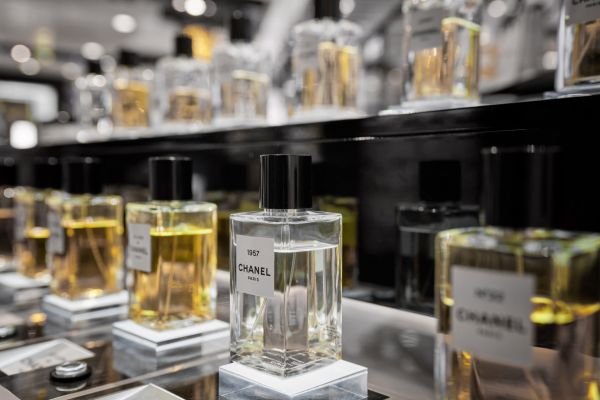
Fashion events have their own kind of atmosphere. The lights feel sharper, the fabrics seem more alive, and every detail is noticed, even the quiet ones. A look may begin with tailoring, color, texture, or accessories, but scent has a way of finishing the story. It does not ask for attention loudly. It arrives softly, stays close, and often becomes the detail people remember without knowing why.
Choosing luxury perfumes for fashion events is not just about wearing something expensive or recognizable. It is about understanding presence. A fragrance should match the mood of the event, the personality of the outfit, the season, the room, and even the distance between people. The right perfume can feel like an invisible accessory, one that moves with you and adds depth to the entire look.
At a fashion event, scent is personal, but it is also social. You may be sitting beside someone at a runway show, greeting people at a launch, walking through a crowded gallery, or attending an elegant evening presentation. In each setting, perfume should feel intentional, polished, and appropriate. It should leave an impression, not take over the room.
Why Fragrance Matters at Fashion Events
Fashion is often described visually, but style is never only visual. It is also about mood, movement, confidence, and memory. Perfume adds another layer to personal presentation. It can make a sleek black dress feel more mysterious, soften a structured suit, or bring warmth to a minimal outfit.
At fashion events, where people pay attention to detail, fragrance becomes part of the styling language. A fresh citrus scent may suggest ease and modernity. A creamy floral can feel graceful and feminine without being delicate. Amber, woods, leather, incense, or spice can create a more dramatic impression, especially in evening settings.
The most effective luxury perfumes for fashion events are not always the strongest ones. In fact, the best choice is often balanced and controlled. A fragrance should feel close enough to be noticed during conversation, but not so heavy that it distracts from the moment. Like a well-cut jacket or a beautifully chosen shoe, it should support the whole look.
Matching Perfume to the Event Setting
Not every fashion event has the same energy. A daytime showroom visit is very different from an evening gala. A private collection preview may call for subtle elegance, while an after-party allows for something bolder and more sensual.
For daytime fashion events, lighter luxury fragrances tend to work beautifully. Soft florals, clean musks, gentle citrus, tea notes, powdery iris, and airy woods can feel refined without being overwhelming. These scents suit close conversations, indoor venues, and polished daytime dressing. They add freshness without making the fragrance the main character.
Evening events allow more depth. This is where richer perfumes can shine: amber, vanilla, oud, leather, patchouli, rose, sandalwood, or smoky notes. These scents tend to feel more dressed-up, especially when paired with velvet, silk, satin, tailored black, metallic details, or statement jewelry. Still, restraint matters. A strong perfume applied heavily can quickly become too much in a crowded venue.
Outdoor fashion events offer another opportunity. Fresh green notes, citrus, fig, neroli, soft woods, and aquatic touches can feel natural and elegant in open air. Since outdoor settings allow fragrance to disperse more easily, a slightly brighter scent can work well. But if the event moves indoors later, it is wise to keep the application moderate.
Understanding the Mood of Your Outfit
A perfume should not fight with what you are wearing. It should feel like it belongs to the same mood. When the outfit is sharp, architectural, or minimal, a clean woody scent, musky floral, or modern amber can enhance that sense of structure. These fragrances often feel composed and intelligent, which pairs well with monochrome looks, crisp tailoring, and sleek silhouettes.
For romantic outfits, such as flowing dresses, soft fabrics, lace, blush tones, or vintage-inspired styling, florals and powdery scents can work beautifully. Rose, iris, jasmine, violet, and peony can add softness, but luxury versions of these notes often have more depth than simple sweet florals. They may include woods, musk, spice, or creamy undertones that make them feel grown-up and event-appropriate.
For bold fashion choices, the fragrance can either match the drama or create contrast. A sculptural outfit may pair well with a daring scent built around leather, incense, oud, or dark fruit. On the other hand, a very dramatic look can also feel more interesting with a restrained, skin-like perfume. Sometimes contrast feels more stylish than direct matching.
This is where personal instinct matters. The perfume should feel like something you can carry naturally. If the fragrance feels too far from your personality, even the most luxurious scent can seem awkward.
The Role of Projection and Longevity
When choosing luxury perfumes for fashion events, projection and longevity are important, but they need to be understood carefully. Projection refers to how far a fragrance travels from the skin. Longevity refers to how long it lasts. A perfume can last many hours without filling the room, and for fashion events, that is often ideal.
A scent with moderate projection is usually the safest choice. It creates a personal aura without overwhelming people nearby. This matters especially at runway shows, seated dinners, press events, and crowded indoor spaces. Nobody wants to be remembered as the person whose perfume arrived before they did.
Longevity is more useful than loudness. A long-lasting scent allows you to move through the event with confidence, knowing the fragrance will remain present. Perfumes with woods, amber, musk, vanilla, resins, leather, or patchouli often last longer than very light citrus or watery scents. However, heavier notes should be applied with care.
A good rule is to apply perfume before leaving, then give it time to settle. Many luxury perfumes are most beautiful after the opening notes soften. What smells sharp or intense in the first few minutes may become smoother and more elegant after half an hour.
Choosing Notes That Feel Sophisticated
Luxury fragrance is often about composition rather than one single note. Still, certain fragrance families naturally suit fashion events because they feel polished, memorable, and layered.
Floral perfumes are timeless for fashion settings, but the most elegant ones usually avoid smelling too sugary or simple. Rose with patchouli, jasmine with musk, tuberose with creamy woods, or iris with powder and suede can feel refined and stylish. These scents carry femininity, but they can also feel strong, artistic, and modern.
Woody perfumes are excellent for people who prefer understated sophistication. Sandalwood, cedar, vetiver, and guaiac wood can create a smooth, grounded impression. These scents often pair well with tailored outfits and minimalist styling. They feel confident without trying too hard.
Amber and vanilla-based fragrances bring warmth and sensuality. For evening events, they can be beautiful, especially when blended with spice, resin, smoke, or woods. The key is avoiding anything too sweet or heavy for the setting. A well-balanced amber perfume feels intimate and luxurious, not loud.
Leather, oud, and incense fragrances are more dramatic. They can be striking at fashion events, particularly when the outfit has a bold or avant-garde edge. These notes create presence, but they require a careful hand. One or two sprays may be enough.
Fresh luxury perfumes also have their place. Citrus, neroli, bergamot, green tea, fig, and clean musk can feel crisp and modern. They are perfect for daytime presentations, summer events, and occasions where effortless elegance is the goal.
Applying Perfume the Right Way
Even the most beautiful fragrance can lose its charm if applied carelessly. For fashion events, less is usually more. Apply perfume to pulse points such as the wrists, neck, or behind the ears, but avoid rubbing the wrists together. Rubbing can disturb the way the fragrance develops on the skin.
Spraying perfume on clothing can sometimes help it last longer, but it should be done carefully. Some perfumes may stain delicate fabrics, especially silk, satin, or light-colored materials. If you want scent on fabric, a gentle spray from a distance on a scarf, coat lining, or less delicate area may work better.
Hair can hold fragrance beautifully, but regular perfume may be drying because of alcohol content. A light mist around the body, allowing the scent to settle naturally, is often enough. The aim is not to cover yourself in perfume. It is to create a soft trail that feels elegant when you move.
It is also worth considering the venue. In a small indoor room, two sprays may be plenty. For a larger outdoor space, you may use slightly more. The more intimate the event, the more controlled the fragrance should be.
Seasonal Choices for Fashion Events
Seasons influence how perfume behaves. Warm weather can make fragrance project more strongly, while cold weather can soften it. That is why a perfume that feels perfect in winter may seem too heavy in summer, and a fresh scent that sparkles in June may disappear quickly on a cold evening.
Spring fashion events suit florals, green notes, soft musks, and gentle citrus. These scents feel fresh without being casual. Summer calls for brightness and air: neroli, bergamot, fig, light woods, white florals, and clean musks. Heavy gourmand or smoky perfumes can feel overwhelming in heat, especially in crowded spaces.
Autumn is ideal for richer textures. Amber, suede, spice, patchouli, plum, and sandalwood can feel beautifully in tune with layered outfits and deeper colors. Winter allows the boldest perfumes to shine. Oud, resin, vanilla, leather, incense, and dark florals can feel luxurious and enveloping when the air is cool.
Seasonal awareness does not mean strict rules. It simply helps the perfume feel natural in its environment.
Making the Fragrance Feel Personal
The best luxury perfumes for fashion events are not chosen only by trend or reputation. They should feel personal. A fragrance becomes more stylish when it seems connected to the person wearing it. It should not feel borrowed from someone else’s idea of elegance.
Before wearing a perfume to an important event, test it properly. Wear it for a few hours. Notice how it changes on your skin. Some perfumes smell beautiful on paper but become too sweet, too sharp, or too powdery after an hour. Skin chemistry matters, and so does comfort.
If you feel distracted by your own fragrance, it may not be the right choice for that event. A good perfume should give confidence, not make you wonder whether it is too much. When it works, it almost becomes part of your posture. You feel a little more finished.
Conclusion
Luxury perfumes for fashion events are about more than beautiful bottles or famous names. They are about atmosphere, self-expression, and the quiet power of detail. A well-chosen scent can complete an outfit in a way that feels intimate and memorable, adding depth without needing to be seen.
The best fragrance choice depends on the event, the season, the outfit, and your own sense of comfort. A soft floral may be perfect for a daytime presentation. A warm amber may suit an evening gathering. A clean woody scent may bring elegance to a tailored look, while leather or incense can add drama to something more daring.
In the end, perfume should never feel like a costume. It should feel like a natural extension of your style. When chosen with care and worn with restraint, a luxury fragrance becomes one of the most refined details you can bring to a fashion event: subtle, personal, and unforgettable.